
Transform Your Body With Strategic Meal Timing
Discover how eating at the right times can accelerate your fitness results, boost your metabolism, and help you reach your goals faster than ever before.

Why Meal Timing Matters for Your Goals
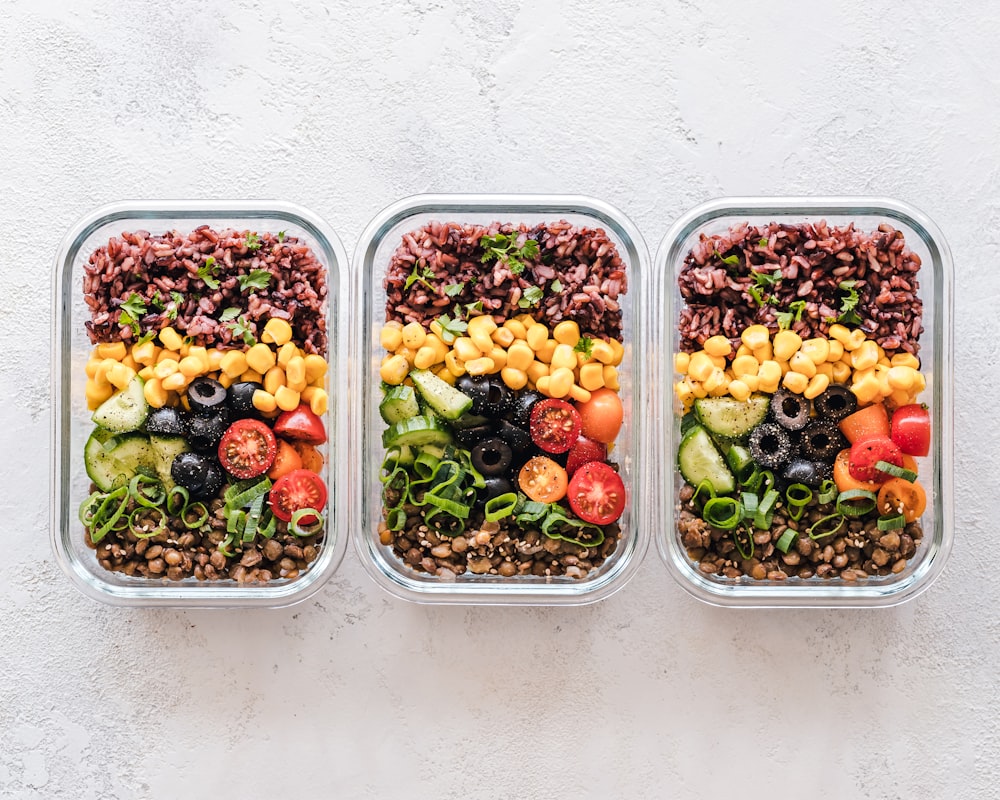
Meal timing is one of the most overlooked aspects of fitness planning. When you eat is just as important as what you eat. By strategically timing your meals around your training sessions and daily activities, you can optimise nutrient absorption, maintain stable energy levels, and support muscle growth and recovery.
Whether your goal is building lean muscle, losing fat, improving athletic performance, or simply feeling more energised throughout the day, proper meal timing creates the foundation for success. Our evidence-based approach helps you understand the science behind nutrient timing and apply it to your unique fitness goals.
- Optimise muscle growth and recovery through strategic protein timing
- Maintain steady energy levels and prevent mid-afternoon crashes
- Enhance metabolic function and support your fitness goals
Key Meal Timing Principles
Pre-Workout Fueling
Eat complex carbohydrates and moderate protein 2-3 hours before training to provide sustained energy. This timing ensures optimal glycogen levels for peak performance during your workout.
Post-Workout Recovery
Consume protein and carbohydrates within 1-2 hours after exercise to replenish muscles and accelerate recovery. This window is critical for muscle protein synthesis and glycogen restoration.
Evening Nutrition
Plan lighter meals in the evening with slower-digesting proteins to support overnight recovery. Avoid heavy foods close to bedtime to maintain sleep quality and hormonal balance.
Daily Rhythm Alignment
Synchronise your meal schedule with your circadian rhythm to optimise digestion and energy production. Eating at consistent times supports metabolic health and improves nutrient absorption.
Nutrient Distribution
Spread protein intake evenly across meals to maximise muscle protein synthesis throughout the day. Balance macronutrients at each eating occasion for sustained satiety and performance.
Hydration Timing
Maintain proper hydration throughout the day, with strategic fluid intake before, during, and after workouts. Proper hydration supports nutrient transport and optimal metabolic function.
Your 4-Week Implementation Plan
Week 1: Assess & Establish Baseline
Begin by tracking your current eating patterns and energy levels throughout the day. Document when you eat, what you eat, and how you feel during and after workouts. This baseline helps identify areas for improvement and creates a reference point to measure progress. Focus on establishing consistency in meal timing rather than making dramatic changes.
- Action: Keep a 7-day food and energy journal
- Goal: Identify current eating patterns and energy fluctuations
Week 2: Implement Pre & Post-Workout Nutrition
Start timing your meals around your training sessions. Eat a balanced meal or snack 2-3 hours before workouts for sustained energy, and consume protein plus carbohydrates within 1-2 hours after training for optimal recovery. This targeted nutrition timing maximises your workout effectiveness and recovery quality.
- Action: Plan pre and post-workout meals for all training days
- Goal: Establish reliable fueling and recovery nutrition patterns
Week 3: Optimise Daily Meal Distribution
Refine your overall eating schedule to align with your body's natural rhythms and your fitness goals. Distribute protein evenly across meals, eat larger portions earlier in the day when energy demands are higher, and taper meals toward the evening. Fine-tune hydration timing and experiment with meal sizes to find what works best for your energy and recovery.
- Action: Create an optimised weekly meal schedule
- Goal: Achieve balanced nutrient distribution and stable energy
Week 4: Fine-Tune & Sustain Your System
Evaluate your progress and adjust your meal timing strategy based on your results and how you feel. Assess changes in energy, workout performance, recovery quality, and body composition. Lock in the timing approach that works best for your unique physiology and lifestyle, then establish it as your sustainable long-term nutrition habit.
- Action: Review progress and refine your approach
- Goal: Establish a sustainable, personalised meal timing system
Meal Plans for Different Goals
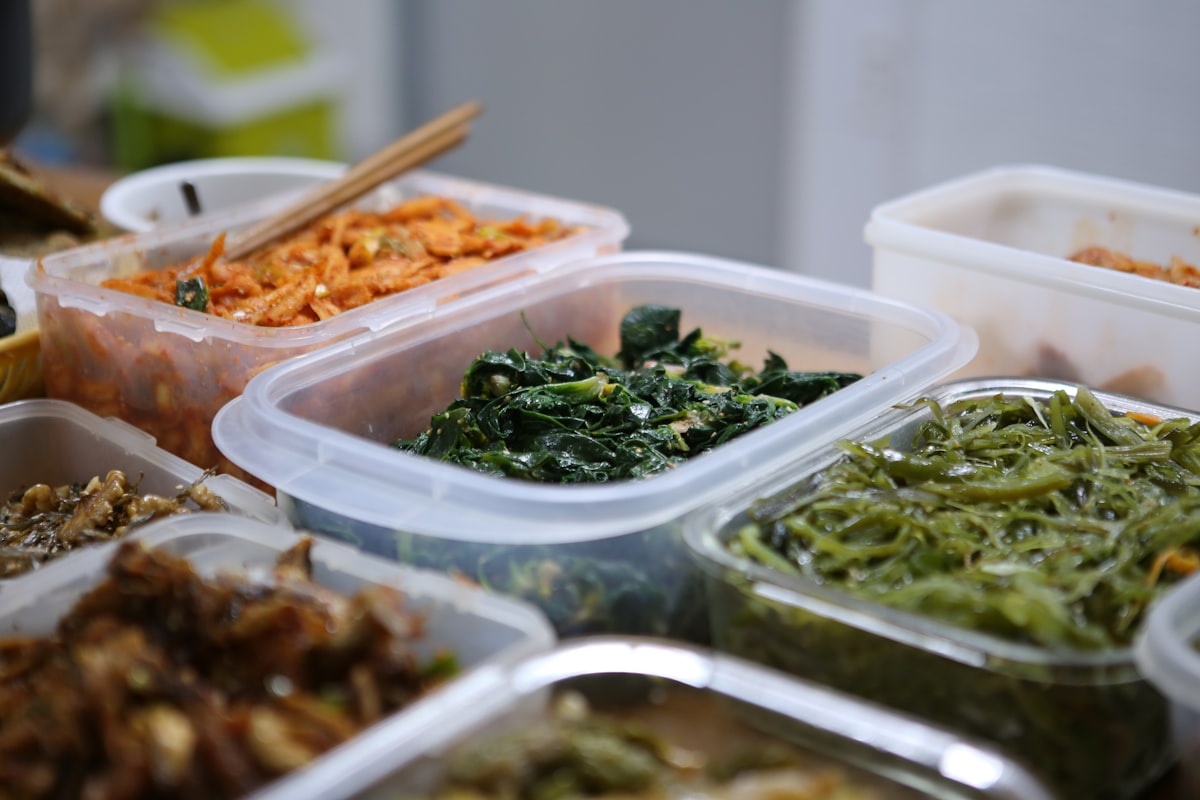
Muscle Building Protocol
Designed for strength athletes and bodybuilders who want to maximise muscle growth. This plan emphasises higher protein intake distributed throughout the day, strategic carbohydrate timing around workouts, and caloric surplus for optimal lean mass gains.
- Higher protein targets (1.8-2.2g per kg)
- Carbs timed around training sessions
- Caloric surplus for muscle growth
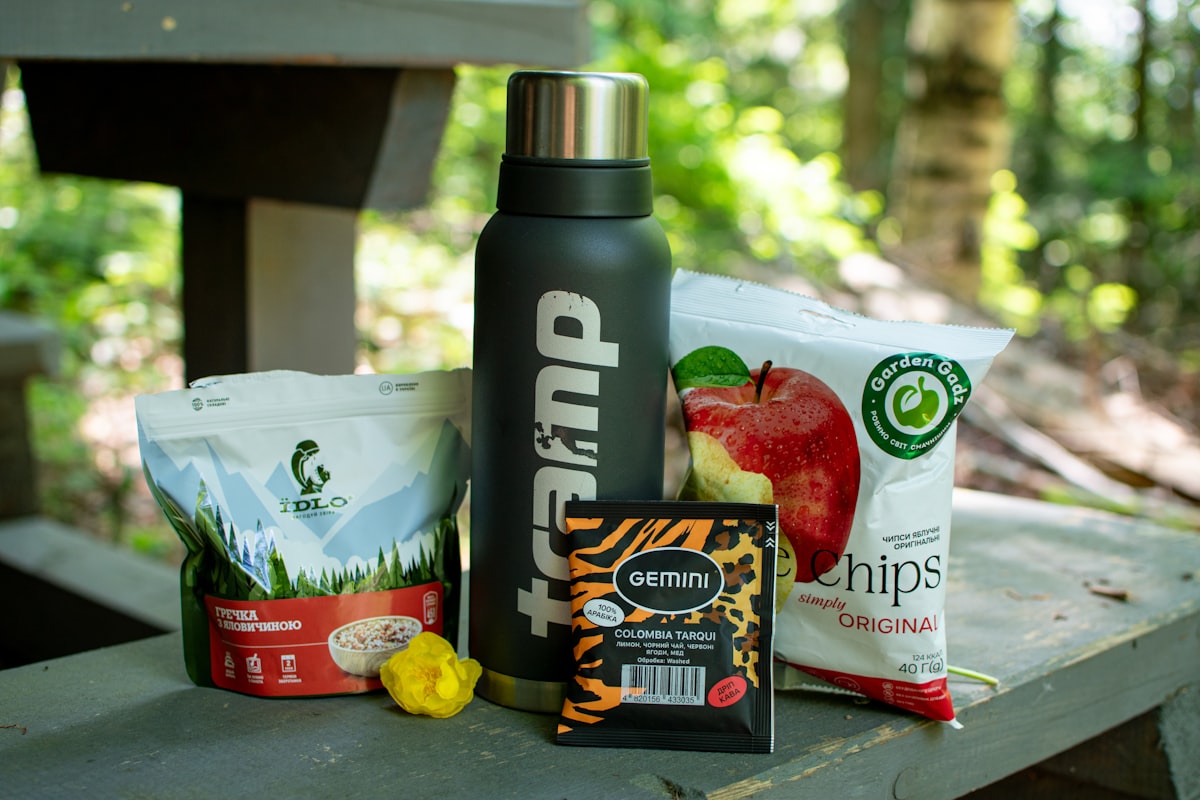
Fat Loss Optimisation
Perfect for those aiming to reduce body fat while preserving muscle. This approach uses strategic meal timing to support satiety, stable blood sugar, and sustainable caloric deficit. Prioritises protein and whole foods for lasting results.
- High protein for satiety and muscle preservation
- Strategic meal timing for stable energy
- Controlled caloric deficit approach
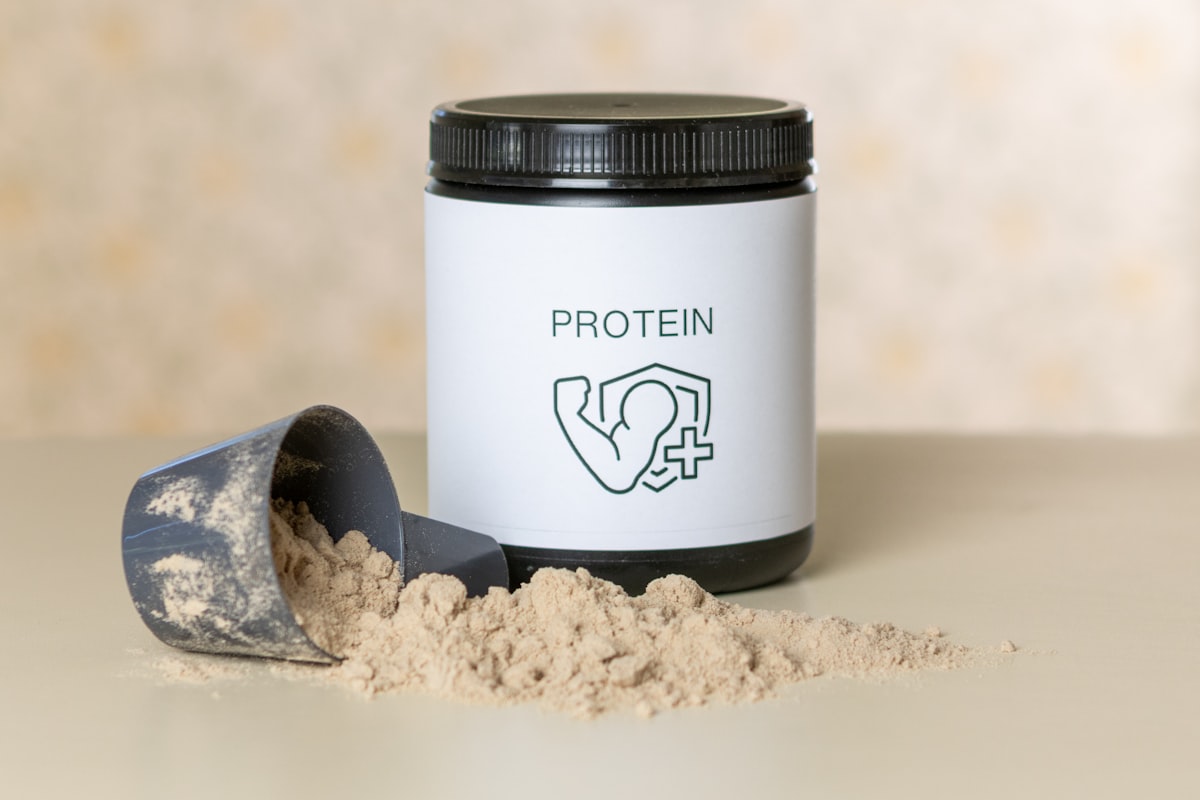
Athletic Performance Enhancement
Tailored for endurance athletes and performance-focused individuals seeking to optimise power output and recovery. Features strategic carbohydrate loading, electrolyte management, and timing protocols for sustained performance.
- Optimised carbohydrate fueling strategy
- Electrolyte and hydration protocols
- Enhanced endurance and recovery support
Success Stories From Our Community
"Implementing strategic meal timing transformed my training results within just four weeks. *Individual results may vary. I noticed significantly better energy during workouts, faster recovery times, and my lifts started climbing consistently. The timing guide was easy to follow and adapt to my schedule. This is exactly what I needed to take my fitness to the next level."
James Mitchell
Strength Coach, Manchester
"I struggled with energy crashes and inconsistent performance for years. Once I adjusted my meal timing, everything changed. My afternoon energy dips disappeared, I feel strong throughout my workouts, and my body composition has improved noticeably. The approach is flexible enough to fit my busy lifestyle while delivering real results."
Sarah Thompson
Marketing Executive, London
"As an endurance athlete, I was looking for a systematic approach to nutrition timing. This framework provided exactly what I needed to optimise my training and competition performance. My race times have improved, my recovery is faster, and I feel more confident about my preparation strategy. Highly recommend."
David Chen
Marathon Runner, Edinburgh
Common Questions About Meal Timing
The ideal timing depends on the size and type of meal. A large meal containing protein, fat, and carbohydrates should be consumed 2-3 hours before training to allow adequate digestion. Smaller snacks with carbohydrates and minimal fat can be eaten 30-60 minutes before exercise. The goal is having fuel available without feeling overly full or experiencing digestive discomfort during your workout.
The optimal post-workout nutrition window is typically 1-2 hours after exercise concludes. During this time, your muscles are primed to absorb nutrients for recovery and growth. Consuming protein (20-40g) and carbohydrates (0.8-1.2g per kg of body weight) within this window supports glycogen replenishment and muscle protein synthesis. While the window isn't as strict as once thought, earlier consumption generally provides greater benefits for recovery optimisation.
Meal timing can indirectly support fat loss by improving adherence, maintaining stable energy levels, and preserving muscle mass during a caloric deficit. When you eat at times aligned with your activity levels and circadian rhythm, you experience better satiety, more consistent energy, and improved workout performance. This makes maintaining your nutrition plan easier and helps preserve lean tissue while losing fat. However, total caloric intake and macronutrient balance remain the primary factors in fat loss success.
Absolutely. Early morning training requires special attention to pre-workout nutrition since you're training in a fasted state. Consuming a small, easily digestible snack containing carbohydrates and a small amount of protein 20-30 minutes before training helps provide energy and support performance. After training, prioritise a post-workout meal with protein and carbohydrates to initiate recovery and replenish glycogen stores. This pattern helps maintain muscle mass and supports consistent morning training performance.
On rest days, you still need adequate nutrition for recovery and adaptation, but the urgency of post-workout timing is reduced. Maintain consistent meal timing aligned with your circadian rhythm and daily activity patterns. Distribute protein evenly across meals to support ongoing muscle protein synthesis and adaptation. You may slightly reduce overall caloric intake on rest days if pursuing fat loss goals, but focus on maintaining protein intake and nutrient quality. This consistency supports steady progress and sustainable energy levels throughout the week.
You don't need to panic. While consuming nutrients within 1-2 hours is optimal, missing this window by 30 minutes or an hour won't derail your progress. Your body remains responsive to nutrients for several hours after training. If you can't eat a full meal, have a quick snack with protein and carbohydrates when possible—even a protein shake, banana with peanut butter, or Greek yoghurt helps. The important principle is establishing a consistent pattern that works with your lifestyle rather than being overly rigid about exact timing.
Start Your Meal Timing Journey Today
Discover how strategic meal timing can transform your fitness results. Explore our comprehensive guides, personalised meal plans, and evidence-based strategies designed specifically for your goals.
For content questions or feedback about our articles, contact our editorial team.